
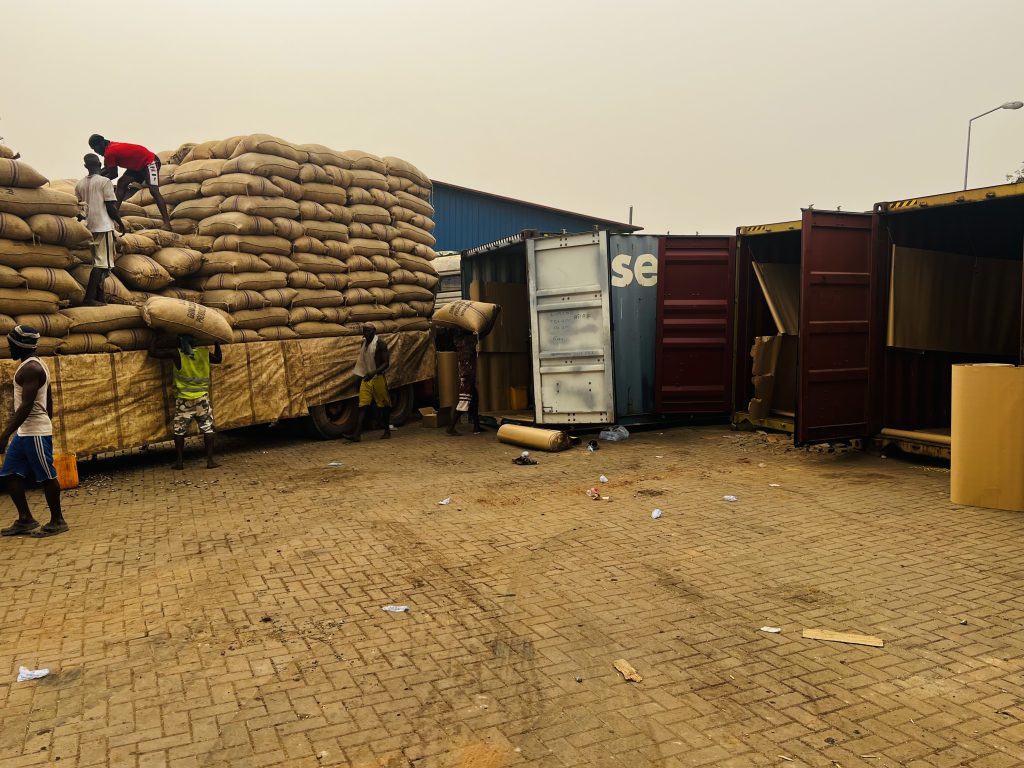
Food safety is a great concern for nations around the world, including the UK. In an era marked by climate change, population explosion, and economic interdependence, ensuring a stable and diverse food supply is extremely important. African agro exports play a pivotal role in this endeavor, and this blog will explore the significance of such exports.
Diversification of Food Sources
The United Kingdom, like many developed international countries, relies upon a numerous range of agro product imports to fulfill the nutritional demands of its population. While domestic production is a crucial part of the food supply, climatic constraints and seasonal variations restrict the range and amount of produce that may be cultivated within the UK. This is where African agro exports, including those from Tanzania, come into play. These exports provide a valuable source of diversification for the United Kingdom’s food resources, providing agro products such as nuts, pulses, cereals, coffee, tea, spices etc. By broadening the array of food alternatives available to UK consumers, African agro exports reduce reliance on a limited number of agro product suppliers, mitigating dangers associated with delivery disruptions.
Seasonal and Counter-Seasonal Supply
Tanzania, especially, is known for its diverse weather zones, which enable it to supply an extensive variety of agricultural products at various stages. For the UK, this translates into seasonal and counter-seasonal delivery opportunities. When the United Kingdom faces winter, Tanzania’s heat and temperate weather allows for the production of agro products, which have high demand in the British marketplace. This counter-seasonal delivery bridges the gap during the periods while domestic production in the UK is limited. Tanzanian agro product exports additionally encompass coffee and tea, that are to be had year-round and are crucial components of the UK’s beverage enterprise.
Economic Benefits
Promoting food protection through African agro exports is a mutually beneficial arrangement. For Tanzania, exporting agro products to the UK generates earnings and employment opportunities. The sales generated from these exports enhance living standards, invest in infrastructure, and boost the overall economic system of the exporting country. In the case of Tanzania, agriculture is a considerable contributor to its GDP, and agro exports to the UK play a pivotal position in maintaining economic development. This not only beneficial for Tanzania, it also contributes to the stability of the global food supply chain.
Trade Relationships
The exchange relationship between the UK and African nations, which include Tanzania, goes beyond mere financial transactions. It fosters diplomatic ties, cooperation, and development initiatives. These efforts not only support food security within the African continent, but also make a contribution to the steadiness in their exports to the United Kingdom.
Ethical Sourcing
A growing situation inside the international agro product supply chain is sustainability and moral sourcing. African countries like Tanzania, are increasingly adopting sustainable agricultural practices, inclusive of natural farming and fair trade practices. These practices align with the United Kingdom’s consumer preferences of ethically sourced and environmentally friendly products. By importing agro products from Tanzania, the United Kingdom supports these sustainable practices, promoting accountable production techniques at the same time as fulfilling client demands for ethically sourced products.
African agro product exporting companies like Paradise Exim Limited play a pivotal role in undisrupted supply of agro products to the United Kingdom. These exports provide diversification of food sources, seasonal and counter-seasonal supply, economic benefits, and make contributions to diplomatic ties and sustainable, ethical sourcing practices. As the world faces increasingly demanding situations for food safety, the collaboration between the UK and African nations within the agro export sector remains critical in ensuring global food security.
Latest Post
-
 28 Jun 2025Sustainable Farming Practices for Green Mung Beans
 -
 30 May 2025Why Tanzanian Agro Products Are a Smart Choice for UAE Importers?
 -
 24 Apr 2025Best Practices for Ensuring Product Integrity in Raw Cashew Nut Exports to UAE
 -
 18 Apr 2025Why African Sesame Seeds Are Gaining Global Popularity
 -
 20 Mar 2025Cashew Harvesting Seasons Around the World: A Complete Guide